Class of 2026 Keyfob Keychain ITH: A Designer’s Review
When I first opened the Class of 2026 Keyfob Keychain ITH file, I immediately saw its potential beyond a simple keychain. As an embroidery designer who regularly helps small businesses build branded merchandise, I’m always looking for designs that can do double duty—work as a standalone product and easily adapt into patches, apparel accents, or promotional items. This in-the-hoop design brings a crisp, celebratory feel that fits perfectly into a graduation-themed product line, but its real value lies in how smartly it can be repurposed for custom branding.
First Impressions: Playful, Clean, and Commercially Versatile
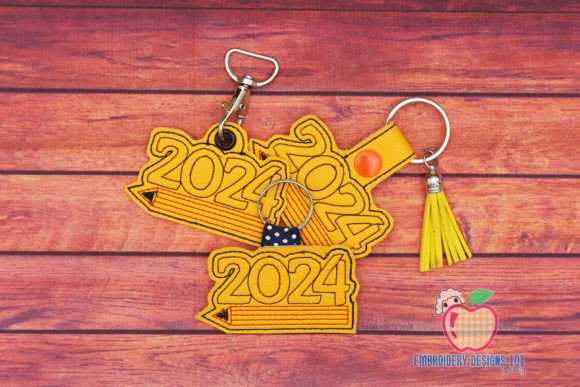
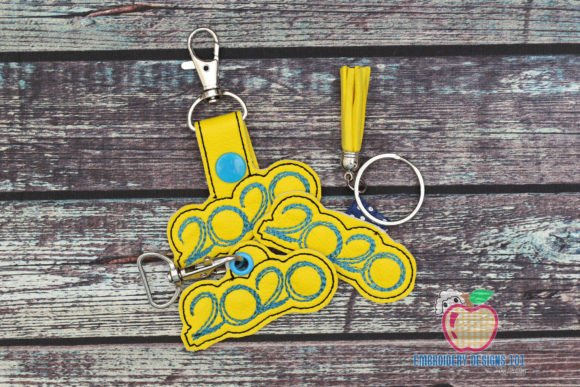
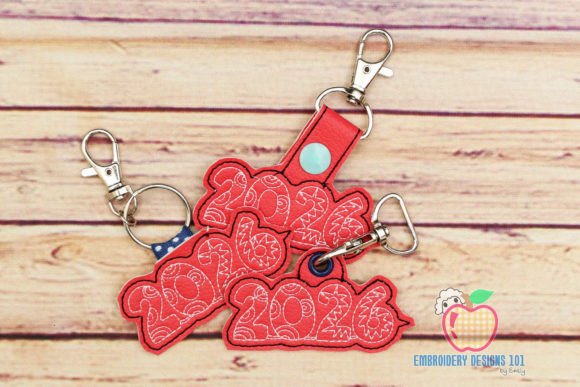
The design has a youthful, confident energy that instantly says “milestone moment.” The typography is clear and the overall layout is built for readability, which is crucial when you’re stitching on small surfaces. It feels modern without being too trendy—a benefit for shops that want a design to remain relevant for the entire graduation season and beyond. The fact that it comes in three versions (Snap Tab, Eyelet, and Ribbon) is a huge plus. This isn’t just a single-use file; it’s a small toolkit for creating different product styles from the same core embroidery design.
Business Potential: More Than Just a Keychain
Most people will download this as a keyfob machine embroidery design, but I see it as a flexible branding asset. For a small café, boutique, or handmade studio, a “Class of 2026” theme can be incorporated into customer appreciation gifts, limited-edition merch, or staff uniforms celebrating a graduating team member. Because the design is compact and 4x4 hoop friendly, it’s ideal for adding a subtle branded touch without overwhelming the product.
Using the Design as an Embroidered Patch
Adapting the Class of 2026 Keyfob Keychain ITH into an embroidered patch is the most obvious business play. The eyelet and snap tab versions already hint at patch-like construction. I tested the embroidery file on a piece of twill with a medium-weight cutaway stabilizer, and the stitch density held up beautifully. The lettering remained legible, and the design kept its shape without puckering. For a patch, I recommend removing any hardware-specific instructions from the file and stitching the front design onto felt or a stiff fabric backing. Then you can add a heat-seal or sew-on finish. This turns a simple keychain design into a custom apparel embellishment ready for jackets, backpacks, or tote bags.
Adapting for Caps, Aprons, and Tote Bags
Cap embroidery can be tricky with small, detailed text, but the “Class of 2026” lettering here is spaced well enough to survive the curve of a cap front. I’d stitch it on the side or back arch rather than the very center, unless you’re placing it on a youth cap. For aprons and tote bags, the design acts as a charming chest logo accent or a lower-corner mark. On a linen apron, the ribbon version of the keyfob can inspire a stitched patch that looks intentionally handmade. This is especially effective for bakeries, florists, and farm shops that want a handmade product feel. The design’s simplicity gives it a premium, personal touch that elevates a plain apron into a branded work uniform.
Practical Embroidery Notes for Production
Before you commit to a bulk order of patches or decorated apparel, run through these essential checks:
- Test in black and white first. Stitch the design using only black thread on white fabric. If the lettering loses clarity or the small details blur, you’ll know the stitch density needs adjustment before you even pick your thread colors.
- Check thread color contrast. The design’s motif often includes a cap or star elements that rely on contrast. On dark uniforms, a light thread palette works wonders; on light fabrics, keep the outline bold. I often use a slightly darker thread for the satin stitches to ensure the design pops without looking muddy.
- Confirm hoop size and placement. The file is designed for a 4x4 hoop, and the description mentions it works on a 5x7 as well. For a small patch, the 4x4 is perfect. But if you plan to stitch this directly onto a tote bag, a 5x7 hoop gives you more room for positioning. Always measure your intended placement on the finished product before hooping.
- Use the right stabilizer. For patches, a firm cutaway stabilizer is non-negotiable. For a keyfob, a tear-away works, but if you’re repurposing the design for a cap or a stretchy apron, a no-show mesh or a fusible cutaway will prevent distortion over time.
- Create a printable mockup for client approval. I always take a screenshot of the design in my embroidery software and overlay it on a photo of the actual product. This helps small business clients visualize the finished product and builds trust before production begins.
- Compare it beside other design assets. If you’re building a cohesive brand, hold the Class of 2026 Keyfob Keychain ITH next to your logo, your other embroidery files, and your color palette. The design should feel like a natural extension of your visual identity, not a random add-on.
- Confirm commercial licensing. Since this is a digital embroidery file, always verify with the designer that you can use it on items you sell. Many creators allow commercial use on physical products, but some require an extended license. Don’t skip this step if you’re planning to sell keychains or patches at a craft fair or on Etsy.
Boosting Brand Identity with a Class of 2026 Theme
Small businesses often overlook the emotional power of a graduation year. Incorporating this design into your small business merch lineup can turn a generic product into a sentimental keepsake. A pet brand could offer a “Class of 2026” bandana patch for puppy graduates. A local bookstore might stitch it onto a tote bag for high school seniors. The design is friendly enough to appeal to a wide customer base, yet specific enough to create a sense of exclusivity. When your customers see that neat, professionally stitched “2026” on a well-made product, it builds customer trust and reinforces that your brand pays attention to life’s moments.
From a branding perspective, the keyfob itself is a clever giveaway. If you run a creative studio or a boutique, attaching a ribbon version of the keyfob to a purchase bag adds an unexpected, handmade touch that encourages repeat business. The snap tab version can be clipped onto a loyalty card, making it a functional piece of brand identity that customers carry daily.
Final Verdict and Recommendations
As a designer who’s stitched hundreds of in-the-hoop projects, I can confidently say the Class of 2026 Keyfob Keychain ITH is a solid investment for any embroidery business looking to expand into the graduation market or add a fresh, customizable product to their catalog. The three versions give you flexibility, the 4x4 hoop compatibility keeps production efficient, and the design’s clean style translates well across multiple fabric textures and product types.
For small business owners, apparel decorators, and Etsy sellers, I recommend starting with a small batch of embroidered patches using the eyelet or snap tab styling. Test them on caps, aprons, and tote bags, and offer a few as a bundled set. Use the ribbon version as a decorative sew-on label for product packaging. Keep a close eye on stitch density when scaling down for tiny patches, and always run a black-and-white test to confirm legibility. When you treat this design as a design asset rather than just a keychain, you unlock a world of commercial embroidery opportunities that can elevate your entire brand lineup.