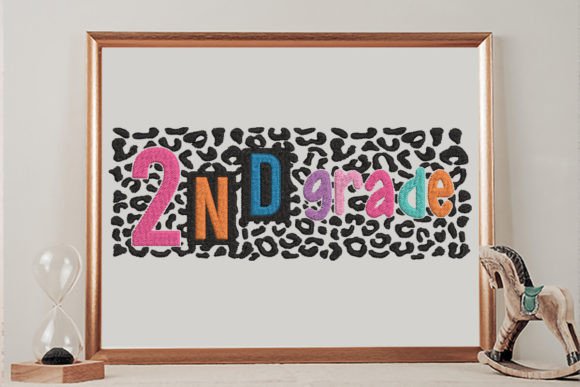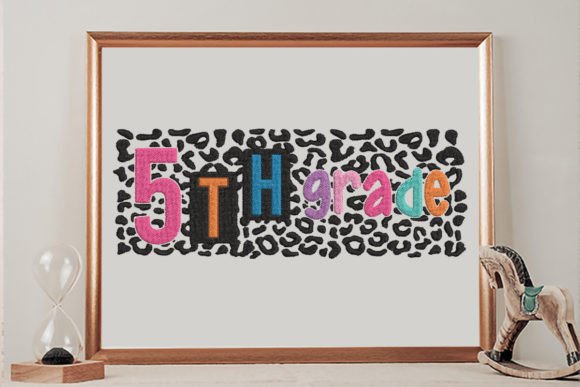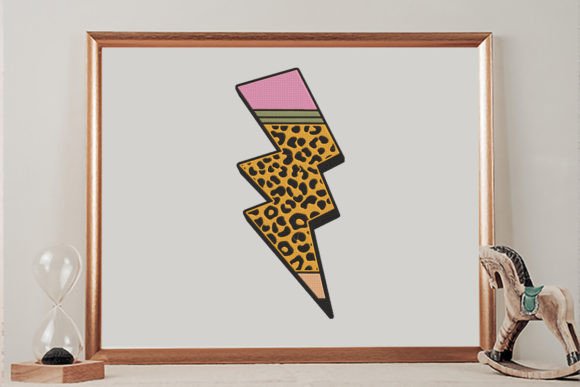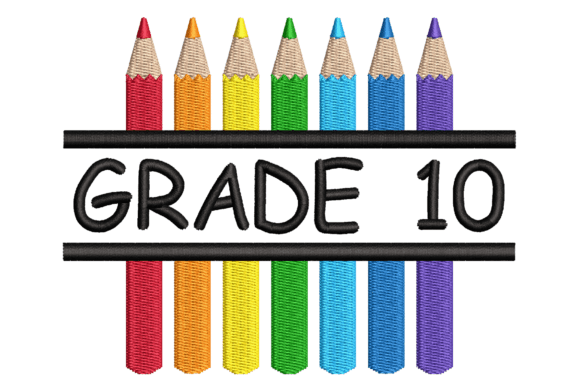
3rd Grade Leopard
First Impression: Whimsical, Playful, and Instantly Recognizable
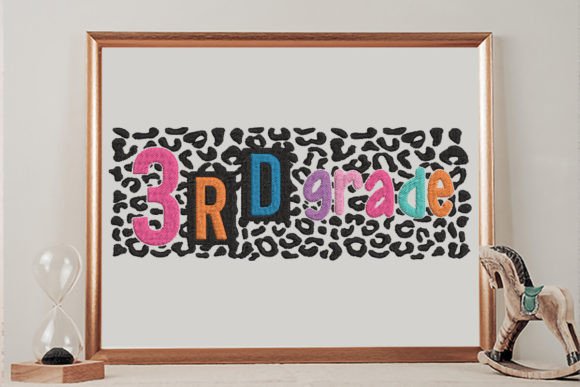
As an embroidery designer who’s prepped over 200 craft fair booths in the past decade, my gut reaction to 3rd Grade Leopard is immediate: it’s charming without being cutesy, bold without shouting, and clever without trying too hard. The name alone sparks curiosity—“3rd Grade” hints at nostalgia, learning, and lighthearted growth; “Leopard” adds a dash of wild confidence and graphic punch. Combined, it lands as fun, modern, and subtly educational—perfect for the Back To School season without leaning into clichés like apples or rulers. It doesn’t feel rustic, elegant, or festive—it feels alive: a confident little character ready to jump onto your next handmade product.
Where It Shines on Craft Fair Products
In booth testing, 3rd Grade Leopard stands out strongest on items where personality meets utility—and where customers slow down to look:
- Tote bag design: Centered on a natural canvas or denim tote, it reads clearly from 6 feet away. The leopard’s shape holds up beautifully at 4–5 inches wide—big enough to charm, small enough to keep the bag feeling balanced.
- Apron embroidery: Placed just above the pocket or centered on the bib, it adds warmth and approachability—ideal for teachers, makers, and café owners browsing your booth.
- Tea towel embroidery: On linen or cotton towels, its whimsy softens kitchen practicality. Paired with neutral thread (like oatmeal or slate gray), it feels elevated—not juvenile.
- Embroidered patch: This is where 3rd Grade Leopard becomes versatile gold. Iron-on or sew-on patches let buyers personalize backpacks, denim jackets, or market bags—making it a high-margin, low-risk craft fair product.
- Fabric pouches & pillow covers: At 3–4 inches tall, it anchors the surface without overwhelming texture. On textured weaves or linen blends, its clean lines cut through visual noise.
It’s less effective on curved cap surfaces (unless resized and re-digitized for low-profile stitching) or ultra-dense fabrics like heavy twill—more on that below.
What Makes It Sell—Beyond the Stitch
3rd Grade Leopard works because it’s emotionally legible at a glance. At a crowded handmade market, shoppers don’t read descriptions—they feel tone. This machine embroidery design delivers joy, confidence, and gentle humor in under two seconds. That translates directly to booth dwell time, photo shares, and repeat Etsy orders.
It also scales well across price points: a $12 embroidered tea towel feels thoughtful; a $48 linen pillow cover feels intentional and premium. That flexibility strengthens brand consistency—whether you’re selling on Etsy, at a local boutique, or via wholesale to small shops.
For Etsy sellers, it’s a smart digital embroidery file addition: pairs effortlessly with back-to-school bundles, teacher appreciation kits, or “first year of big kid school” gift sets. And yes—it photographs brilliantly. Its contrast-friendly shape renders cleanly in natural light, making printable mockups pop without heavy editing.
Careful-Use Notes: Protect Your Production & Reputation
Don’t skip real-world testing. Here’s what I watch for with 3rd Grade Leopard:
- Dense stitch areas: Leopards often pack detail into spots or facial features—if this design includes fine rosettes or tiny eyes, test on your target fabric first. High stitch density can pucker lightweight cotton or sink into terry cloth.
- Small lettering: “3rd Grade” implies text. If letters drop below ¼ inch tall, they’ll blur on towels or dark fabric. Confirm legibility at your smallest intended size (e.g., 2.5" wide).
- Fabric texture matters: Avoid dense terry or looped towels unless you use cutaway stabilizer and reduce top tension. On caps, always verify hoop size compatibility—some leopard silhouettes need wider clearance than standard baseball cap hoops allow.
- Thread colors: This design begs for contrast—but avoid neon-on-neon or black-on-charcoal unless you’re targeting a specific aesthetic. Test thread against your top 3 fabric colors before batch production.
Designer Prep Checklist Before Booth Day
Before cutting your first fabric piece, do these six things:
- Run a test stitch on scrap fabric matching your final product (e.g., tea towel weight, canvas tote, twill cap).
- Check thread contrast—especially if selling to schools or libraries where visibility matters.
- Review spacing between elements: Does the leopard sit comfortably within common hoop sizes? Can it be centered easily on standard apron bibs?
- Confirm stabilizer type: Tear-away for stable wovens, cutaway for knits or stretchy fabrics, and fusible + tear-away for towels.
- Create at least one real mockup—not digital. Hold it in your hand. Walk around your studio with it. Does it feel finished? Does it invite touch?
- Verify commercial licensing. Since this is a digital embroidery file, confirm whether resale of finished product is permitted—and document it. Buyers (and platforms like Etsy) increasingly ask.
Final Thought: A Quiet Workhorse with Big Personality
3rd Grade Leopard isn’t flashy—but it’s reliable, expressive, and deeply human. In a sea of generic florals and overdesigned monograms, it offers something rare: authenticity with a wink. For creative entrepreneurs, that’s not just a machine embroidery design—it’s a conversation starter, a brand builder, and a quiet sales driver. Use it thoughtfully, test it thoroughly, and let its charm do the rest. Whether stitched on a teacher’s tote or a child’s first market bag, 3rd Grade Leopard doesn’t just decorate fabric—it connects.