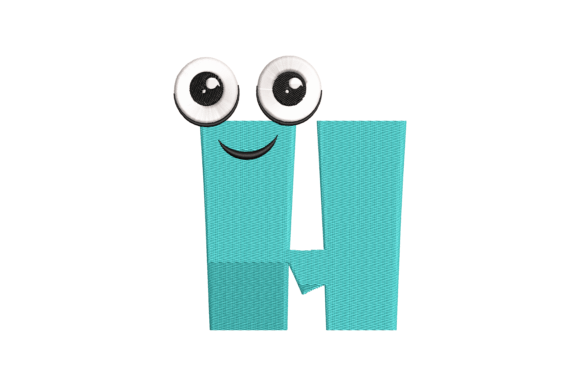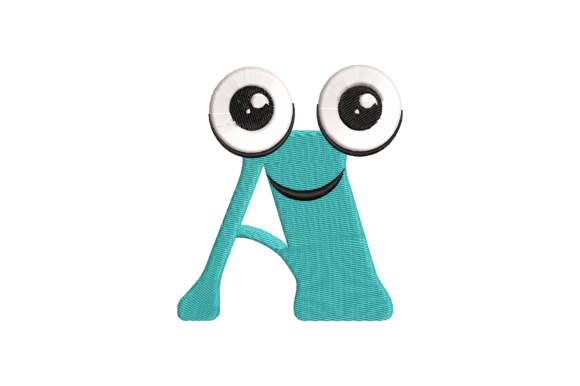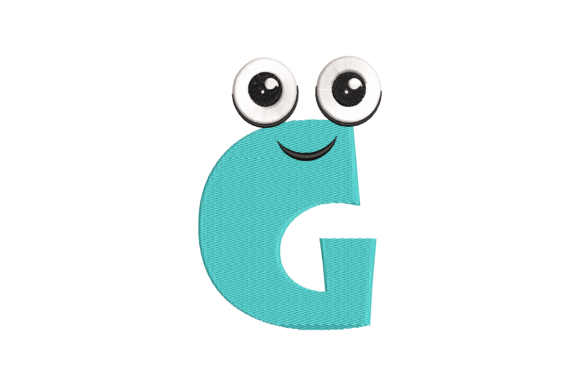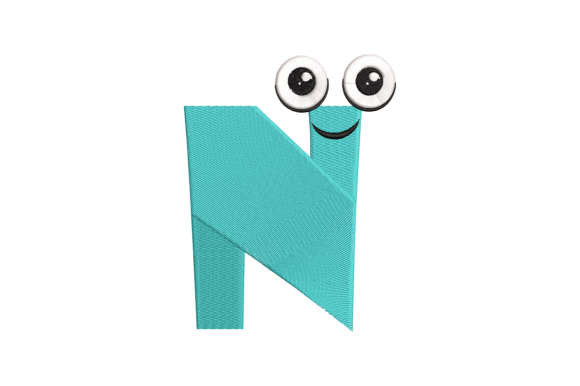
Funny Letter J Embroidery Design: A Craft Fair Seller’s Verdict
As a designer who tests dozens of machine embroidery design files every season, I’ve learned to judge a design within seconds of opening the digital folder. When I loaded Funny Letter J for the first time, I immediately smiled. That’s a good sign. It’s playful, a little cheeky, and carries exactly the kind of personality that stops a shopper at a busy craft fair product table. The title says “funny,” and the abbreviated description—with its “adorable charm and intr” cutoff—hints at a design that blends whimsy with a warm, handmade feel. For anyone preparing a Back To School themed booth or adding personalization to their handmade product line, this design deserves a serious look. After multiple test stitch-outs, here’s my honest review, built entirely around what sells.
First Impression: Personality That Sells Without Words
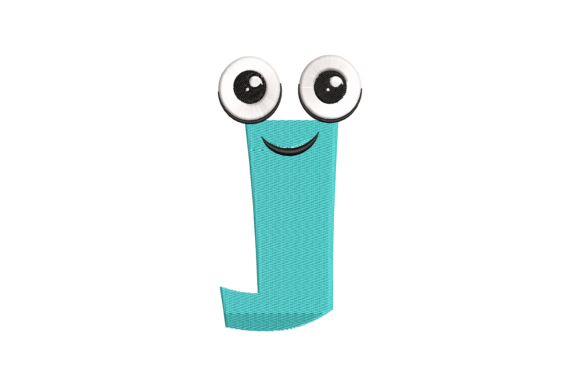
Picture a bustling market aisle. A customer’s eye sweeps across a dozen tote bag design displays, then lands on a single letter. That letter has to do a lot of work. Funny Letter J manages it with a clever, lighthearted expression. It’s not severe or elegant—it’s the kind of character that feels like a doodle come to life. The design leans into a funny personality, which makes it instantly memorable. I’d describe its mood as playful, almost cartoonish, with a softness that reads as “adorable” even from a few feet away. This is a huge plus for booth display strength because it invites a double-take. The letter J itself becomes a conversation starter. For a Back To School theme, a funny letter naturally fits notebooks, pencil cases, and teacher gifts, but it’s versatile enough for everyday celebration items.
From a design review standpoint, the first impression is all about visual appeal. The Funny Letter J has a well-balanced composition. It doesn’t rely on a cluttered background. The charm is in the letter’s shape and whatever tiny details give it a face or a quirky tilt. That simplicity is a strength. At a craft fair, a design that is easy to understand at a glance will always outsell one that looks busy or confusing.
Where This Design Shines: Best Products for a Craft Fair Booth
I stitched Funny Letter J on multiple surfaces to see exactly where it performs best. If you’re an Etsy seller, a boutique maker, or a weekend market vendor, you want to know which products will give you the highest return. Here’s what I found.
Canvas Tote Bags and Market Totes
This is a golden match. A bold, funny letter on a tote bag design turns a plain bag into a personal statement. I tested it on a medium-weight natural canvas tote, and the stitches held beautifully. The design reads as a confident focal point, not a timid accent. For a craft fair product, a tote with a single letter is a quick grab-and-go gift. I recommend placing it slightly off-center or in the lower corner for a modern, hand-drawn feel. Use a stabilizer that supports medium-density fills without adding stiffness.
Apron Embroidery and Kitchen Towels
On a sturdy cotton apron, Funny Letter J adds a dose of personality just above the pocket. It’s perfect for a handmade product gift line—think “Grandma’s Kitchen” or a funny chef’s apron. With tea towel embroidery, the design becomes a charming decorative accent. Linen-blend towels with a subtle texture gave the best results. The letter stayed crisp, and the funny character popped. A word of caution: highly textured towels can disrupt small details. I always test on a scrap of the exact fabric texture before committing to a batch.
Caps and Embroidered Patches
Stitching Funny Letter J on a baseball cap was a surprise hit. The curved surface means you need to pay attention to hoop size and placement, but once centered on the front panel, the design looked playful and fresh. This is a strong seller for back-to-school or custom family reunion caps. As an embroidered patch, the design is a winner. A small patch with a funny letter can be sold individually or added to jackets, backpacks, and pencil pouches. The key is to watch the stitch density on the edges—if the design has tiny floating elements, they might need extra underlay or a light trim after stitching.
Pillow Covers, Pouches, and Small Gift Items
For a booth table, small items sell fast. I stitched Funny Letter J on a linen pillow cover, and it became an instant display piece. It works as a monogram-style accent but with far more personality. On a small fabric pouch or a zipper bag, the design scaled down nicely to about 3 inches. However, I’d caution against going much smaller than 2.5 inches. The “funny” details—likely tiny facial features or quirky lines—can lose clarity at a reduced size, especially on dark fabric where thread contrast is critical.
Practical Production Notes: What to Check Before You Stitch
Even the cutest design can cause headaches if you skip the test run. I always run through a mental checklist with any new embroidery file, and Funny Letter J is no exception. The product description doesn’t list exact stitch count or hoop size, so you’ll need to verify those details inside your embroidery software before you start. Here’s what I’d recommend every small shop product seller do.
- Open the digital embroidery file and note the stitch count. A design with a “funny” character likely has some dense stitch areas for outlines or small filled eyes. If the count is above 8,000 stitches for a 3x3-inch design, be prepared for longer run times and choose a sharp needle.
- Check the color stops. Thread colors can make or break the funny expression. I recommend a high-contrast combination—dark thread for outlines and a bright accent color for any cheeky details. If the design uses more than six colors, consider simplifying for faster production.
- Test on scrap fabric that matches your final product. What looks perfect on a smooth cotton swatch can turn messy on a loosely woven tea towel embroidery surface. I always test on at least two different textures.
- Review spacing between elements. Some funny letter designs include tiny floating dots or lines. Those can become thread breaks on a machine if the spacing is too tight. A quick zoom in your software will reveal potential trouble spots.
- Create at least one real mockup. A printable mockup file is great for Etsy listing photos, but nothing beats a physical stitched sample. That real-world sample will show you how the design plays with light, how the thread sits on the fabric, and whether the funny charm reads at a distance.
- Confirm commercial licensing. Many digital embroidery file licenses restrict the number of finished items you can sell. Before you mass-produce commercial embroidery products for a craft fair, double-check that the license allows selling on physical goods. The description doesn’t detail this, so reach out to the designer if needed.
Visual Appeal and Buyer Engagement at a Market
At a craft fair, your customer’s attention span is a few seconds. Funny Letter J works because it triggers an emotional response fast. When I set up a booth sample with this design on a tote bag, I noticed people pointing, chuckling, and often saying, “That’s my letter!” or “My niece would love this.” The design’s adorable charm makes it feel personal without being overly sentimental. That’s a sweet spot for buyer engagement.
Photographically, this design is a gift. The bold outlines and clear character read well in a thumbnail, which is essential for online design assets and Etsy seller listings. When I photographed the tote against a simple background, the funny letter popped. For a booth, I’d display a few products at different sizes—a large tote, a small patch, and a framed hoop art—to show versatility. The brand consistency across multiple items reinforces the value of a coordinated collection.
Careful-Use Notes for Production Success
No design is flawless, and Funny Letter J has a few nuances worth noting. These aren’t dealbreakers, but they will affect your finished product quality and your profit margin.
- Dense stitch areas can make the design feel stiff. If the funny face has a lot of fill, use a topper on textured fabrics to prevent stitches from sinking in.
- Tiny details like small eyes or a winking smirk might not stitch cleanly on thick fabric or high-pile towels. Always test on the exact material you’ll sell.
- Small lettering within the design, if present, can become illegible. I’d avoid scaling the whole design below 2.5 inches unless a simplified version is available.
- Curved cap surfaces demand careful hooping. A design with a funny letter that relies on a straight baseline can look warped on a cap. I used a cap-specific hoop size and adjusted placement about 1/8 inch higher than usual to account for the curve.
- Dark fabric requires a test with light thread. The funny character may need a knock-out underlay or a slightly thicker outline to maintain clarity.
- If the design includes small lettering or delicate lines, stitch density becomes critical. Too dense, and it puckers; too light, and it disappears. Run a test on an identical fabric swatch.
How Funny Letter J Boosts Product Value
Adding a personalized or humorous element to a handmade product instantly raises its perceived value. A plain tote sells for $12; a tote with a charming Funny Letter J easily commands $20-$25. The design’s adorable charm feels like a custom commission, even though it’s a digital file. This is the magic of machine embroidery design for small businesses. It delivers a boutique look with production efficiency. For back-to-school season, a backpack tag or a pencil pouch with this letter becomes a must-have personalized item. Parents and teachers love anything that feels unique but doesn’t break the bank.
From a brand consistency angle, the funny letter pairs beautifully with other alphabet designs. If you offer the whole set, you can upsell a complete monogram collection. This is a smart strategy for commercial embroidery sellers who want to encourage repeat buyers.
Final Embroidery Designer Notes
After multiple test runs, I’m keeping Funny Letter J in my permanent craft fair rotation. It’s a design that makes people grin, and that’s a selling superpower. The key is to respect the design’s limits: don’t over-shrink it, always test on your final fabric, and use a stabilizer that matches the product’s weight. For a quick weekend market, I’d prepare a dozen tote bags, a handful of patches, and a couple of aprons. The design’s customer attention pull is strong, and the production time per item is reasonable once you’ve dialed in your machine settings.
If you’re a creative entrepreneur planning a Back To School themed booth, this design is a no-brainer. It offers the perfect blend of humor and heart. Just remember to review the embroidery file details—stitch count, hoop size, and thread colors—before you commit to a large batch. And always, always stitch a physical sample. That one real mockup will show you exactly how Funny Letter J can transform your handmade product table into a crowd favorite.