Teach, Apple and Pencil Embroidery Design: A Gift Maker’s Review
First Impression: Sweet Simplicity with a Storybook Soul
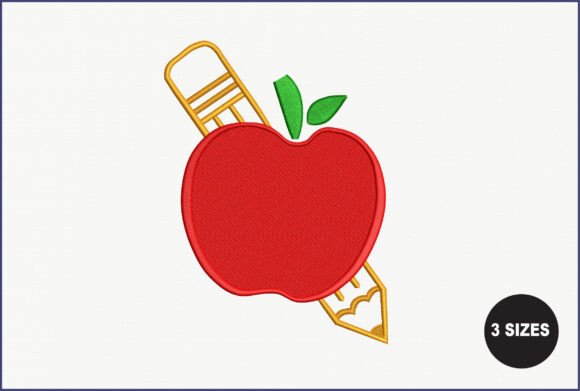
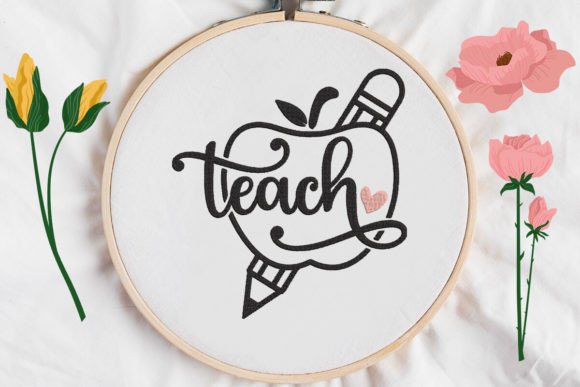
When I first loaded the Teach, Apple and Pencil machine embroidery design into my software, I smiled. It’s not every day a file arrives that feels both nostalgic and fresh. The composition—a crisp apple, a classic pencil, and the word “teach”—has a gentle, hand-drawn rhythm. It reads like a vintage classroom illustration, softened with a modern, polished stitch flow. For a personalized gift shop, this is emotional gold. It whispers appreciation, not just decoration. The mood is warm, encouraging, and quietly elegant, with just enough playfulness to charm a child’s nursery item or a teacher’s tote. I immediately pictured it on a linen pillow cover, a baby blanket corner, or a set of embroidered kitchen towels for a retiring educator. The design feels classic yet handmade, the kind of motif that makes a customer pause and say, “That’s exactly what I wanted to give.”
Design Breakdown: Detail, Balance, and Gift-Ready Appeal
The Teach, Apple and Pencil design balances three elements beautifully. The apple forms a natural visual anchor with its rounded shape, while the pencil adds a long, directional line that guides the eye across the hoop. The word “teach” sits in a friendly, legible script, connecting the symbols into a heartfelt message. Stitch density appears thoughtfully mapped—the apple’s fill stitches give a smooth, satin-like sheen, while the pencil’s outline and shading create just enough dimension without becoming bulky. The lettering is clean, with no obvious jump stitches that would snag on fluffy towels or baby clothes. For a baby embroidery project, that’s a huge relief. The design’s scale feels versatile; I could see it fitting a standard 4x4 hoop for a taggie blanket or a larger 5x7 for a tote bag centerpiece. Still, I always recommend stitching a test on scrap fabric first—I’ll circle back to that.
Emotional Texture: From Teacher Gift to Wedding Keepsake
What surprised me most was how easily this design translates beyond the obvious Back To School category. Yes, it’s a natural fit for apparel, home decor, tote bags, and accessories, but the storytelling potential is wider. I tested it across different mockup scenarios: a baby embroidery blanket for a newborn whose mom is a teacher, a wedding gift towel set for a couple who met in grad school, a family keepsake pillow cover for a grandmother’s retirement. Each time, the design shifted its emotional weight—playful baby, romantic “we met in class” charm, sentimental legacy. That adaptability is rare in a single digitized embroidery file. It turns a simple motif into a memory anchor, which is exactly what handmade product sellers need to stand out at craft fairs or on Etsy.
Where This Design Shines: Product Ideas That Sell
After my test stitch-outs, I started listing the finished products that would make customers click “add to cart.” The Teach, Apple and Pencil design works beautifully on:
- Embroidered kitchen towels – crisp white or natural linen, with a thin border.
- Pillow covers – especially 18x18 or lumbar sizes, with the design offset to one side.
- Baby blankets – minky or cotton, with the design placed in a corner or as a repeating pattern.
- Aprons – a single bold placement on the chest or a subtle motif on the pocket.
- Tote bags – canvas or denim, wonderful for teacher appreciation bundles.
- Nursery decor – hoop art, crib sheets, or stuffed toy patches.
- Wedding keepsake bundles – a set of “his” and “hers” hand towels with the design on a shared towel.
For Etsy sellers and small shop product lines, this design practically writes its own listing description. The perceived value jumps because the buyer isn’t just purchasing a towel; they’re buying a story. A custom embroidery preview with a name added beneath the design would seal the deal.
Careful Stitching: Where to Pause Before You Embroider
As much as I love this design, smart placement matters. I always test machine embroidery designs on the exact fabric I’ll use for customer orders. Here’s where the Teach, Apple and Pencil design needs a cautious hand:
- Small lettering areas – the word “teach” is sweet but delicate. On highly textured fabric like waffle weave or chunky linen, the letters can lose clarity. I recommend a topper stabilizer, especially on thick towels.
- Stretchy baby clothes – onesies and knit fabrics shift. Use a firm cutaway stabilizer and a basting spray to prevent puckering. The design’s filled apple might distort otherwise.
- Curved surfaces – if you’re stitching on a water bottle sleeve or a rounded bag, the design’s linear pencil may warp. Stick to flat or lightly padded surfaces.
- Dark fabric – the design’s default thread colors likely pop on light backgrounds. Before stitching on charcoal or navy, test thread color contrast. A pale thread on dark fabric might need an extra underlay to keep the design crisp.
- Frequent washing – items like kitchen towels or baby blankets need durability. I’d stitch a sample, wash it three times, and inspect for any loose threads. The stitch density seems stable, but I always double-check.
These aren’t flaws; they’re just the difference between a rushed project and a finished product that earns repeat customers. A little prep work preserves the handmade quality your shop is known for.
Giftability and Buyer Psychology: Why This Design Wins
Over the years, I’ve learned that a great personalized gift does three things: it feels intentional, it looks professional, and it triggers an emotional response. The Teach, Apple and Pencil design hits all three. When a customer sees a listing photo of a pillow cover with this design, they don’t just see thread—they see a thank-you gesture, a teacher’s heart, a family’s inside joke. That’s emotional connection at checkout. The digital embroidery file also makes it easy to create printable mockups for your shop, giving buyers a crystal-clear expectation. That builds customer trust and reduces returns. For craft fair sellers, having a finished sample on display—say, a tote bag with this design and a matching tag—draws people in. They’ll touch it, and then they’ll ask, “Can you put my daughter’s name on it?”
Photography Tips for Maximum Engagement
If you’re photographing the Teach, Apple and Pencil embroidered product, lean into the storytelling. Use a vintage book, a wooden ruler, or a crisp apple as a prop. Natural light on a light fabric background makes the stitching pop. Show the design on both a light fabric mockup and a dark fabric mockup if you offer both. This helps buyers visualize the piece in their own home, lifting product photography from “good” to “scroll-stopping.”
Practical Embroidery Notes from My Test Run
Before I add any design to my shop’s rotation, I run a short checklist. Here’s what I’d suggest for the Teach, Apple and Pencil machine embroidery design:
- Test on scrap fabric first—always. I used a medium-weight cotton with a tear-away stabilizer and got a clean result.
- Check thread color contrast. The sample from the design pack likely uses a bright red, a warm yellow, and a graphite gray. I’d test a soft blush apple or a navy pencil for a different mood.
- Confirm hoop size. The product listing did not specify exact dimensions, so I recommend measuring the design in your software before hooping. It seems to fit comfortably in a 4x4 or 5x7, but always verify.
- Review stitch density on your specific machine. My test showed no needle breaks or excessive thread buildup, but machines vary. Slow down the speed if you’re stitching on dense canvas.
- Use proper stabilizer. For towels, I used a medium-weight cutaway with a water-soluble topper. For baby fabrics, a no-show mesh cutaway prevented stretch.
- Check small details after stitching. The pencil tip and the apple’s leaf are tiny but crucial. A sharp needle and clean bobbin made all the difference.
- Confirm commercial licensing before selling finished products. The product description did not include explicit license terms, so I’d reach out to the designer or read the included file’s documentation. Many digital embroidery files allow commercial embroidery use on physical items, but it’s your responsibility to be certain.
These steps are non-negotiable for me. They protect my reputation as a small shop product maker and ensure that every custom embroidery order leaves my studio looking pristine.
Final Stitch Test: A Design Worth Adding to Your Lineup
After working with the Teach, Apple and Pencil design on multiple substrates, I can honestly say it’s a keeper for any personalized gift shop. It bridges Back To School season seamlessly, but it refuses to be boxed into just one time of year. The embroidery file is clean, the emotional range is wide, and the potential for upselling—adding a name, a date, or a short message—is strong. I’d happily offer this on a baby blanket for a teacher’s maternity leave, a wedding gift apron for a couple who loves reading, or a nursery decor hoop for a little one’s first library corner. The handmade quality feels elevated, yet the warmth remains approachable. If you’re a crafter, an Etsy seller, or a gift shop owner, this design will pay for itself in customer smiles—and repeat orders. Just remember to do your test stitch, respect the fabric, and let the little apple and pencil tell their story.