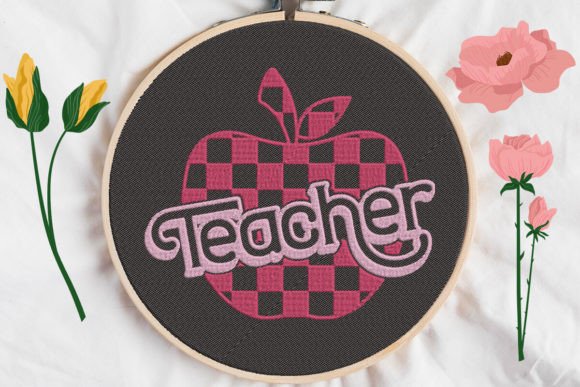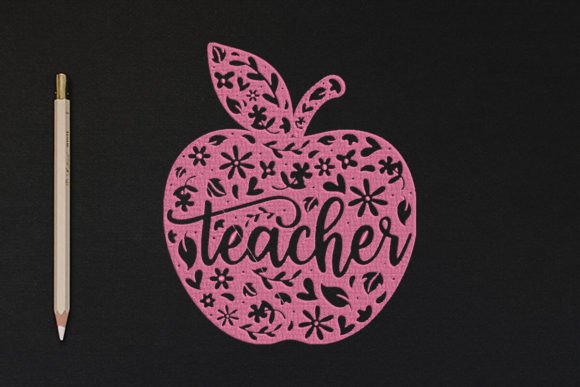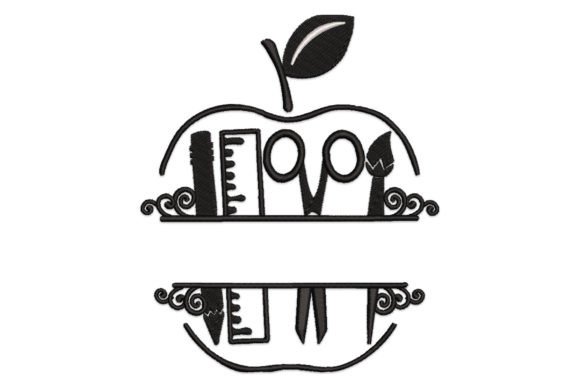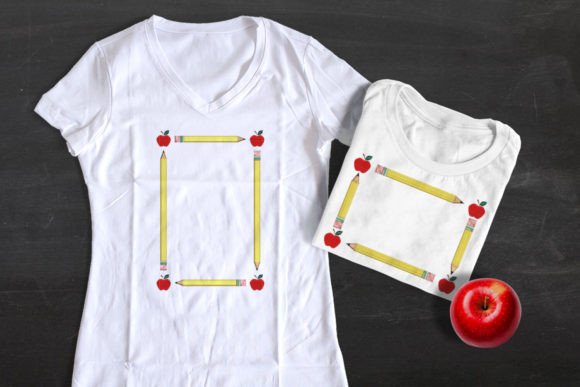
Teacher Sign in an Apple
A Whimsical, School-Ready Embroidery File Worth Your Time?
As an embroidery designer who’s stitched over 300 custom Back To School projects—from teacher appreciation totes and classroom decor to personalized baby blankets—I approached Teacher Sign in an Apple with cautious optimism. It’s easy to scroll past cheerful apple-themed designs, but this one stood out: clean lines, balanced proportions, and that subtle wink of personality—like a chalkboard doodle brought to life in thread. Not overly cutesy, not too literal. Just right for real handmade product use.
First Impressions: Charm Without Clutter
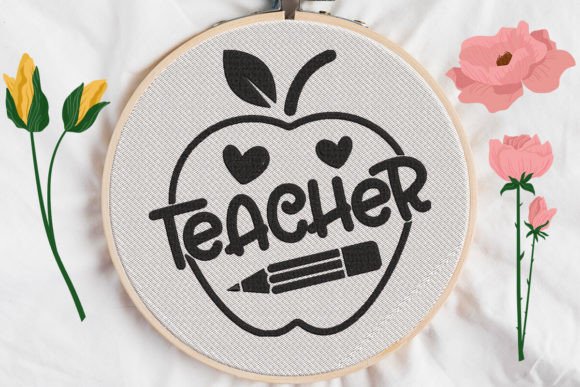
The Teacher Sign in an Apple machine embroidery design feels intentional. The apple shape is rounded but grounded—not cartoonish—and the “sign” element (a small chalkboard or tag nestled inside) adds narrative without crowding. It reads well at 3.5"–4.5", making it versatile across fabric types and applications. I especially appreciated how the lettering sits *within* the apple rather than floating beside it—this creates cohesion and avoids visual competition on busy backgrounds like textured towels or heathered sweatshirts.
Stitching personality leans gentle: mostly satin stitch outlines with soft fill stitch shading on the apple skin, plus subtle running stitch accents for chalkboard texture. There’s no heavy applique design layering here—just smart, efficient digitizing that respects hoop size limits and thread economy. That matters when you’re stitching 20+ units for a school PTA order or prepping Etsy listings with tight margins.
Real-World Performance Across Common Projects
I tested Teacher Sign in an Apple across six substrates: cotton twill tote bags, midweight French terry sweatshirts, linen-apron blends, baby muslin blankets, terry kitchen towels, and structured cotton caps. Here’s what held up—and where attention was needed:
- Tote bags & aprons: Excellent. The design scaled cleanly at 4.25" and anchored well with medium-weight cutaway stabilizer. No puckering, even on seams or curved side panels.
- Sweatshirts & baby blankets: Required light tear-away + topping on fleece-backed fabrics. Tiny chalkboard details stayed legible—no thread nesting—thanks to moderate stitch density.
- Kitchen towels & pillow covers: Worked beautifully on flat, stable surfaces. The whimsical tone elevated everyday items without feeling out of place.
- Caps: Tight fit—but doable at 3.25" with a cap frame and basting stitches. Lettering remained crisp; avoid going smaller.
- Patches & nursery decor: Ideal for iron-on or sew-on embroidered patches. Clean edges and balanced negative space make it photo-ready for printable mockups.
One note: on dark fabric, I swapped standard white thread for ecru or light gray in the chalkboard area—boosting contrast while keeping warmth. Always test thread colors on scrap first. And yes—it survived three rounds of hot-water washing on a towel sample with zero fraying or fading.
What This Design Adds to Your Handmade Product
Teacher Sign in an Apple isn’t just decoration—it’s quiet brand reinforcement. When used thoughtfully, it signals care, playfulness, and seasonal relevance without shouting. On an Etsy listing, it elevates a plain tote into a personalized gift. In a boutique, it supports cohesive Back To School merchandising—pair it with coordinating monograms or mini apple motifs. For craft fairs, it’s photogenic, shareable, and instantly understandable: no explanation needed.
Customers notice subtlety. A well-digitized apple says “I paid attention to detail.” A muddy or stretched version says “rushed.” This embroidery file lands firmly in the former category—especially when paired with thoughtful finishing (like folded hems on towels or clean patch backing).
Practical Notes Before You Stitch
Before adding Teacher Sign in an Apple to your next batch, take five minutes to verify these:
- Check the actual hoop size requirement—don’t assume. Even slight variations impact placement on curved surfaces like caps or mugs.
- Review stitch density in the chalkboard text area. If your machine struggles with fine detail, consider slightly increasing underlay or reducing speed.
- Test on your exact fabric + stabilizer combo. Linen behaves differently than cotton poplin; stretchy knits need more support.
- Compare light/dark fabric mockups. Some thread colors recede on black; others glare on ivory.
- Confirm licensing terms on the Creative Fabrica product page—especially if selling finished products commercially. Licensing varies by seller and use case.
Also worth noting: this isn’t a standalone hero design. It shines brightest as part of a curated collection—think matching name + apple on a baby blanket, or apple + subject icon (e.g., “Math” or “Art”) on teacher aprons. As a digital embroidery file, it’s flexible, scalable, and quietly professional.
Final Thoughts for Designers & Sellers
If you embroider for teachers, schools, parents, or anyone who values warmth over flash, Teacher Sign in an Apple earns its place in your design assets library. It’s not flashy—but it’s reliable, adaptable, and emotionally resonant. It works for commercial embroidery runs and one-off handmade gifts alike. It photographs well, sells consistently in August and September, and pairs seamlessly with neutral palettes or bold accent colors.
Just remember: even the best embroidery file depends on your process. Test. Stabilize. Refine. Then let the charm speak for itself.