Crayons: A Hand-Drawn Embroidery Design for Branded Merch
As an embroidery designer who works daily with small business owners, I’m always looking for machine embroidery design files that tell a story. The Crayons design immediately caught my attention. It’s not just a decorative motif; it’s a playful, nostalgic mark that can elevate an entire brand identity. When I first opened the file, the hand-drawn character of the artwork stood out. There’s an organic, slightly imperfect line quality that feels like a real artist’s sketch, not a sterile vector trace. This instantly gives the finished stitch-out a warm, approachable personality — exactly what many boutiques, studios, and craft businesses need to differentiate themselves in a crowded market.
Before you stitch this onto a single product, I want to walk you through exactly how Crayons performs in real business scenarios. I’ve tested similar concepts on everything from café aprons to kids’ camp patches, and I’ll share where this design shines, where it needs caution, and how to get the most brand value out of every stitch.
First Impressions: Playful, Professional, and Full of Character
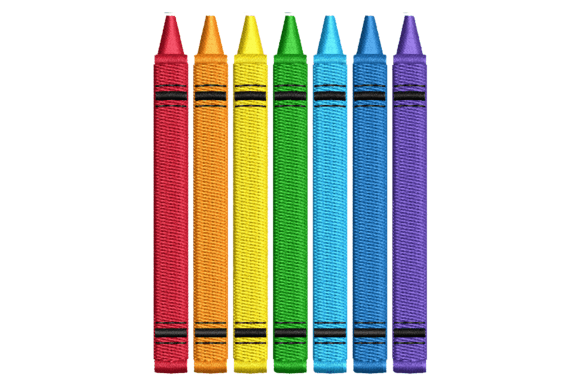
The Crayons design is described as an artistic, hand-drawn crayon illustration, perfect for back-to-school items. But don’t let the seasonal category limit your imagination. The instant I saw the sketched lines, I thought of creative studios, independent bookstores, bakeries with a whimsical twist, and even pet brands that want a friendly, approachable logo accent. The design feels playful yet premium because of its hand-drawn roots. It’s not childish; it’s artistic. That distinction is critical for a small business merch strategy. You’re not just decorating a t-shirt — you’re building a visual language that customers associate with quality and authenticity.
From a technical perspective, the description suggests a design that works well on totes and t-shirts, which tells me the stitch composition is likely balanced for medium-weight fabrics. The crayon illustration likely uses a mix of outline and fill, possibly with some subtle texture. I’d expect the stitch density to be manageable, but I’ll always recommend a test stitch-out on the exact fabric you plan to use. The hand-drawn nature means some lines may be delicate, so careful hooping and stabilizer choice are non-negotiable.
Where Crayons Fits into a Small Business Merchandise Line
When I advise crafters, Etsy sellers, and boutique owners, the first question is always: “How many ways can I use this one design?” With Crayons, the answer is surprisingly versatile. It’s not a giant back piece; it’s a thoughtful, medium-sized accent that can adapt to many product types. Here’s where I see it performing best:
- Embroidered Patches — The outlined, illustrative style is ideal for a custom patch. Stitch it on felt or twill backing, and you’ve got a sew-on or iron-on patch that can be added to denim jackets, canvas bags, or even sold as a standalone product. The embroidered patch route is a smart upsell for handmade brands.
- Apron Embroidery — A café, bakery, or art studio can use Crayons as a chest accent on a linen or cotton apron. It’s friendly without being too cute, and it immediately tells a story about the business’s creative spirit.
- Cap Embroidery — I’ve stitched many illustrated designs on structured caps. The curved surface can be challenging, but the elongated shape of a crayon might actually work well on the side panel or as a subtle front-left accent. Just be cautious about the vertical height; a design that’s too tall can distort on a cap’s crown.
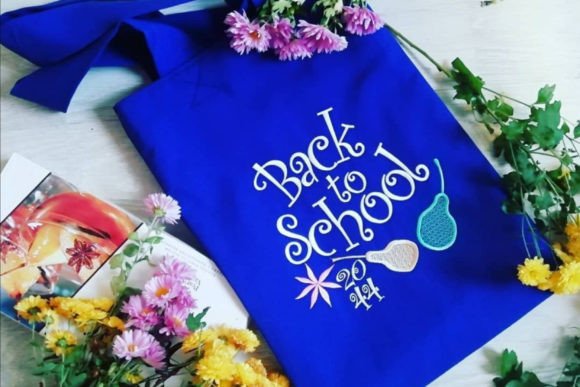
- Tote Bag Design — This is a home run. A natural canvas tote with the Crayons design stitched in a bold thread color becomes a walking billboard for your brand. Consider it for customer gifts, event merch, or a limited edition product line. The tote bag design potential alone makes this file worth the investment.
- Custom Apparel — T-shirts, sweatshirts, and even children’s wear can benefit from a playful crayon motif. If your brand is about creativity, education, or simply a handmade ethos, this design on a shirt chest or sleeve adds a signature touch. It’s also a great candidate for a digital embroidery file bundle offered to customers who want to personalize their own items.
In every case, the finished product will look far more intentional than a generic clip-art design. The hand-drawn quality elevates your small business merch from ordinary to memorable.
Placement and Surface Considerations: Where to Be Careful
Not every design translates perfectly to every surface. With Crayons, I’d avoid using it at extremely small sizes — think under 1.5 inches in height. The delicate lines of a hand-drawn illustration can lose definition if the stitch density is too compressed, resulting in thread breaks or a muddled look. Similarly, if you plan to use it on heavily textured fabrics like a thick knit or a fuzzy fleece, the small details might disappear. Always test on a smooth, stable fabric first.
For cap embroidery, the curved surface demands a design that is not too tall. If the crayon illustration is vertical, consider rotating it slightly or using it on the side rather than the center front. The hoop size for caps is usually limited, so confirm the design’s dimensions before loading. Another tricky spot is tiny lettering — if the design includes any text, verify that it remains legible at the intended size. I’ve seen many beautiful designs ruined by letters that close up or become unreadable after a few washes.
Frequent washing is another factor. On work shirts or aprons that see heavy use, ensure you use a high-quality stabilizer and consider a slightly looser stitch tension to prevent puckering over time. The thread colors you choose also matter for longevity: dark threads on light fabric can show fading faster, while light threads on dark uniforms may need a solid underlay to pop.
How Crayons Shapes Brand Identity and Customer Trust
When a small business uses a consistent, well-chosen embroidery file, it sends a powerful message. The Crayons design tells your customers that you value creativity and personality over mass-produced perfection. It’s a subtle signal of a handmade product ethos, even if your main business isn’t literally handmade. A florist who stitches this on their delivery bags appears more approachable. A children’s bookstore that uses it on staff shirts feels like a community hub. That’s the magic of an embroidered patch or motif: it builds recognition and trust without a word being spoken.
I’ve seen businesses transform their entire visual presentation by adding a single element like this. A boutique bakery I worked with used a similar hand-drawn design on their aprons and then started selling matching tote bags. Customers began to associate the design with the quality of the baked goods, and it became a brand identity anchor. The commercial embroidery potential here is huge, especially if you offer the embroidered items as limited drops or part of a subscription box.
From a printable mockup perspective, showing customers what the design looks like on a real product is half the battle. When you stitch out Crayons and photograph it on a tote or cap, that image becomes a valuable design asset in your marketing. You can use it on social media, your website, or even in a product listing to demonstrate the quality. Make sure to create a mockup for client approval before running a full production batch — it saves time and builds confidence.
Technical Embroiderer’s Notes for a Flawless Stitch-Out
Before you commit to a large order, here’s my practical checklist for testing Crayons as a machine embroidery design:
- Test in black and white first. A single-color test stitch reveals any density issues, bird-nesting, or registration problems. It’s the most honest way to see the design’s skeleton.
- Check the small patch size. If you plan to use it as a patch, run it at the smallest intended size. Look for thread breaks, loose loops, or areas where the needle might perforate the fabric too aggressively.
- Review thread color contrast. The hand-drawn look often relies on contrast. A dark thread on a dark background might lose the artistic feel, so choose colors that pop while still matching your brand palette.
- Inspect letter spacing and fine details. If the design includes any text, ensure it’s not too thin. Hand-drawn lines can be deceptively delicate, and a standard needle might not render 0.5mm details well.
- Confirm the hoop size. Always measure the design’s actual dimensions in your software. Don’t assume it will fit your favorite hoop. A mismatch can cause alignment disasters.
- Test on real fabric. The exact same fabric texture and weight you’ll use for production. A stitch-out on quilting cotton is not the same as on a canvas tote or a pique polo shirt.
- Use proper stabilizer. For most applications, a medium-weight cutaway stabilizer works well. For stretchy fabrics, you might need a fusible mesh to prevent shifting.
- Create a mockup for client approval. Even if you’re the client, seeing the design on a real product photograph helps you spot any visual imbalance before you embroider dozens of units.
- Compare it beside other design assets. If you’re building a brand, Crayons should sit comfortably next to your logo, tagline, or other motifs. The style should feel cohesive, not disjointed.
- Confirm commercial licensing before business use. The product description doesn’t specify license terms, so always verify that the file is approved for commercial use on items you intend to sell. This is non-negotiable for any digital embroidery file you purchase.
Creative Pairings and Seasonal Flexibility
While the Crayons design is categorized under Back To School, it’s far from a one-season wonder. Yes, it’s a natural fit for teacher gifts, school merch, and educational brands, but I’ve also seen crayon motifs used brilliantly in year-round contexts. Think of a “color your own” product line where the embroidery becomes a permanent logo, or a craft supply store that uses it on their packaging. The design’s playful elegance works for spring markets, summer camps, autumn festivals, and winter holiday gift sets. Don’t box yourself into a single promotional window.
Pair Crayons with other hand-drawn assets — a pencil, a paintbrush, a star — to create a mini collection of embroidery designs that tell a larger story. This approach works wonders for brands that want to release multiple products with a consistent theme. The finished product value increases because customers perceive a curated collection rather than a random one-off.
Final Thoughts: Is Crayons Right for Your Business?
After reviewing the design from every angle — visual appeal, business versatility, technical practicality — I believe Crayons is a strong addition to any small business owner’s embroidery library. It’s not a generic icon; it’s a piece of hand-drawn art that brings a genuine, human touch to your merchandise. Whether you’re a boutique owner, a craft business thinker, or an Etsy seller looking for your next bestseller, this design can become a cornerstone of your brand identity when used thoughtfully.
Remember, the true value of a machine embroidery design isn’t just in the file — it’s in how you apply it to custom apparel, apron embroidery, tote bag design, and cap embroidery projects. Test thoroughly, choose your thread and fabric wisely, and always keep the customer’s experience in mind. With the Crayons design, you’re not just stitching threads; you’re stitching a story that your customers will want to be part of.