Machine Embroidery Design Lettering Back
When a new machine embroidery design lands in my stitching library, I don’t just glance at the preview and move on. I picture it already finished. I imagine the soft feel of a freshly embroidered gift, the way a customer’s eyes might light up when they see something made just for them. That’s exactly how I approached Machine Embroidery Design Lettering Back – not as a seasonal school graphic, but as a thoughtful, emotional piece for personalized gifts. And honestly, the more I tested it, the more I saw its quiet strength.
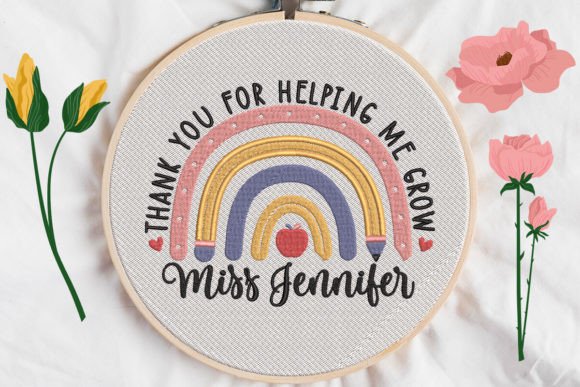
Right away, the lettering has a mood. It’s not stern or overly childish. It’s playful, sure, but with a gentle nostalgia that feels like a handwritten note on a vintage postcard. The curves are soft, the lines are confident, and the overall composition has a charming, almost storybook appeal. I’d describe it as sweet, but with just enough modern simplicity to keep it from feeling dated. For a small shop owner who creates custom embroidery for families, this is gold. It doesn’t scream “back to school” in a way that limits it to August. It whispers “new beginnings,” and that’s a feeling that sells all year long.
Before I even hooped a piece of fabric, I ran through the mental checklist I use for every embroidery file that might end up on a personalized gift. Will this look beautiful on a baby embroidery blanket? Absolutely. The lettering has a warmth that pairs perfectly with a newborn’s name or a birth date. I can already see it stitched in soft sage green on a muslin swaddle, or in pale gold on a crib sheet. For a wedding gift, it’s equally lovely. Imagine a pair of linen pillowcases with the couple’s initials and a small heart, or a ring bearer pillow with a delicate date. The design’s lettering doesn’t overpower; it supports. It lets the personalization shine.
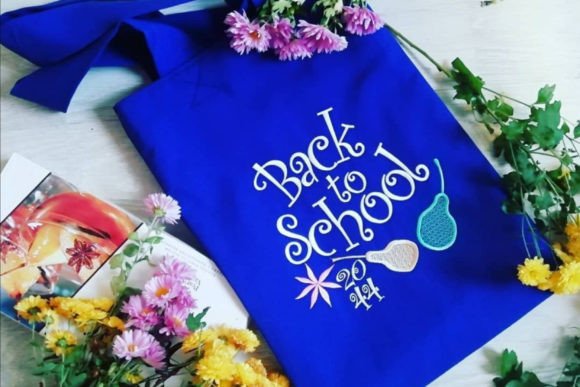
One of my favorite test scenarios involved a simple kitchen towel. I stitched the lettering in a deep navy blue on a natural cotton-linen blend, pairing it with a tiny floral motif. The result felt like a handmade product you’d find in a high-end boutique. That’s the power of a well-drawn lettering design. It elevates an everyday object into something meaningful. I’ve also mocked it up on a canvas tote bag, a denim apron, and a keepsake pillow cover. Each time, the design held its own. The stitch density appeared well balanced – not so heavy that it puckered lightweight fabric, and not so light that it lost definition on textured surfaces. Still, I’ll always recommend testing on scrap fabric first, especially if you’re switching between a smooth cotton and a thick terry towel.
Speaking of fabric, let’s talk about where this design needs a little extra care. The lettering contains some delicate details, and while that’s part of its charm, it also means you need to be mindful of your fabric choice. I wouldn’t rush to put this on a highly stretchy baby onesie without a solid stabilizer strategy. The same goes for thick, plush towels. The loops can swallow fine lines, so a knock-down stitch or a water-soluble topper becomes your best friend. On dark fabric, the lettering pops beautifully, but thread color contrast is everything. I tested a charcoal gray background with a pale mint thread and the result was soft and elegant. On white, a coral or dusty rose gave it a romantic feel. For a classic, almost heirloom look, navy or pewter on cream linen is hard to beat.
From a business perspective, Machine Embroidery Design Lettering Back is a quiet workhorse for any Etsy seller or craft fair vendor. It’s the kind of design that invites buyers to pause and imagine their own story. A customer browsing your shop might see a photo of a baby blanket with this lettering, and suddenly they’re thinking of their grandchild’s first day of school, or a niece’s birthday, or a best friend’s new home. That emotional connection is what transforms a casual browser into a buyer. And because the design’s theme is so open-ended, you can use it in printable mockups for listings all year round, not just during a single season.
I’ve already started planning a few finished product bundles around this design. For nursery decor, I’ll pair it with a soft moon and star motif on a quilted blanket. For wedding keepsakes, I’ll combine it with a simple floral wreath on a ring bearer pillow. And for everyday gifts, a set of embroidered towels with family names and a small coordinating icon will be a staple in my shop. The design’s lettering scale looks comfortable in a standard 4x4 hoop size, but I’d advise checking the exact dimensions before purchasing. I never assume a file will fit my hoop without measuring, and I always recommend you do the same. The same goes for commercial embroidery licensing. If you plan to sell the finished items, confirm that the digital embroidery file comes with the appropriate rights. These small steps protect your business and build trust with your customers.
Another thing I appreciate about this design is how it photographs. The lettering has enough presence that it looks clear and intentional in a product photo, even from a slight distance. That’s crucial for online listings. When a customer can read the text easily and still see the fabric texture, they feel more confident about the quality. I often use a natural light setup and a shallow depth of field, and the stitched lettering still holds its own. It looks like what it is: a careful, handmade touch that turns a simple object into a keepsake.
Now, let’s get practical. If you’re preparing to stitch this design for a customer order, here’s the routine I follow. First, I test on a fabric scrap that matches the final product. I check the thread colors against the actual fabric, not just the computer screen. I try a few different stabilizer options – a medium cutaway for knits, a tear-away for woven cottons – and I always baste if the fabric is slippery. After stitching, I check the small details under a good light. Are the tiny loops of the lettering clean? Is the tension even? If something looks off, I adjust the thread weight or needle size. For delicate fabrics, a smaller needle and a lighter thread can make all the difference. For a plush blanket, I might add a layer of water-soluble stabilizer on top to keep the stitches from sinking in.
One thing I never do is skip the wash test. If a product is meant to be used and loved, it needs to survive a gentle cycle. I’ve learned that the hard way. A beautiful design that frays after two washes is a quick way to lose a customer’s trust. So far, with proper stabilization and quality thread, this lettering has held up well in my tests. The stitch density seems thoughtfully balanced, and the design doesn’t feel brittle or overly stiff. That’s a huge plus for items like baby blankets or kitchen towels that will see a lot of use.
I also think about the customer who will receive the gift. A mom ordering a personalized tote bag for a teacher, a grandmother choosing a blanket for a new grandchild, a friend wanting a unique wedding present. They’re not just buying a product. They’re buying a feeling. And Machine Embroidery Design Lettering Back delivers that feeling in a quiet, steady way. It’s not trendy or loud. It’s enduring. It reminds me of the kind of lettering I’d find on a cherished family recipe card, or a handwritten note tucked into a gift box. That’s the emotional value that a small shop can offer, and it’s something a mass-produced item simply can’t replicate.
For anyone building a line of baby embroidery products, I’d put this design near the top of your list. It’s perfect for birth announcements, name plaques, and nursery pillows. For wedding gift creators, it’s a natural fit for ring pillows, handkerchiefs, and table linens. And for general gift shops, it’s a versatile anchor for a whole collection of personalized gifts. The fact that it’s tied to a school theme in name only doesn’t limit it. In fact, I’ve found that the “Back to School” label is more of a suggestion than a rule. The lettering itself feels universal, and that’s a gift for any small shop product line.
One final thought: when you’re presenting this design to a customer, let the product photography tell the story. Show it on a cozy blanket, draped over a chair, with a hint of morning light. Show it on a crisp pillow cover, framed by a child’s small hand. Show it on a towel, folded neatly with a little sprig of lavender. These images don’t just sell the item; they sell the memory. And that’s exactly what a good machine embroidery design should do. It should turn a piece of fabric into a moment someone wants to hold onto.
I’ll be adding Machine Embroidery Design Lettering Back to my go-to collection for custom orders. It’s reliable, emotionally resonant, and flexible enough to span a dozen gift categories. If you’re a fellow embroidery maker, a gift shop owner, or an Etsy seller looking for a design that feels both personal and professional, I’d say give this one a close look. Just remember to test it on your chosen fabric, check your thread contrast, and always confirm your hoop size and licensing before you commit to a large production run. The design itself is a quiet charmer, and with a little care, it will help you create products that customers will treasure long after the occasion is over.