Pre-K School: An Embroidery Designer's Field Review
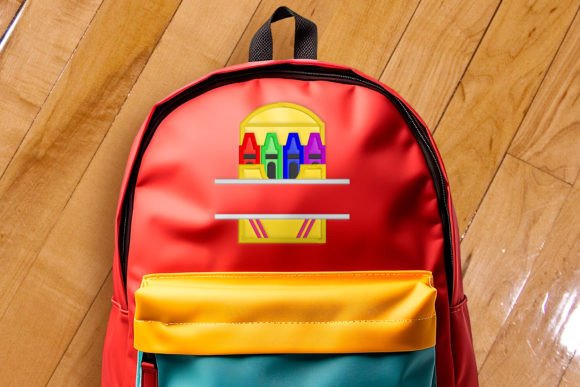
I have reviewed hundreds of machine embroidery designs over the years, and the ones that genuinely catch my eye are those that manage to feel both nostalgic and practical at the same time. The Pre-K School design falls squarely into that category. When I first opened the file, I immediately pictured a small backpack, a child's apron, or a teacher's tote bag — the kind of project that carries emotional weight and gets used daily. This is not a design that shouts for attention. It whispers something warm and familiar, and that is precisely what makes it worth stitching.
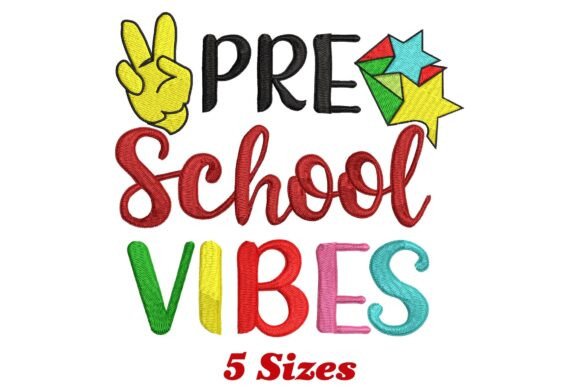
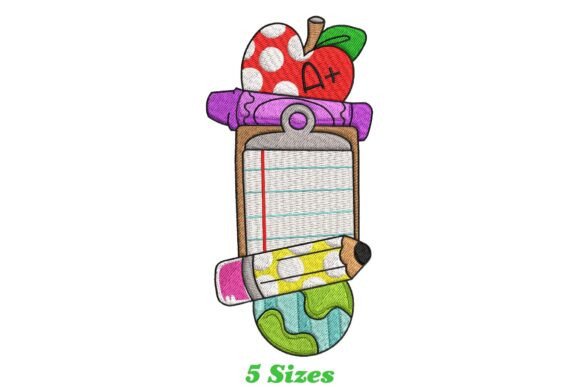
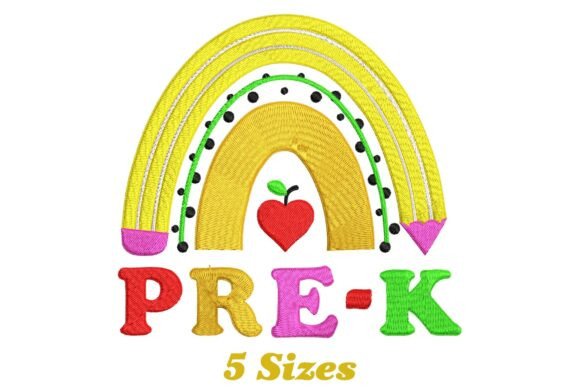
The first thing I noticed was the overall mood. There is a playful, almost storybook quality to the composition. The theme leans into the excitement of early childhood education — crayons, letters, maybe a tiny apple or a schoolhouse silhouette woven into the visual language. The whimsical touch mentioned in the product description is accurate. It feels like something a kindergarten teacher would pin to a bulletin board, or a parent would iron onto a first-day-of-school shirt. That emotional connection is what separates a forgettable embroidery file from one that actually sells finished products.
What This Design Brings to a Real Embroidery Project
When I evaluate a design like Pre-K School, I am not just looking at how it appears on screen. I am thinking about how it will behave under a needle, on different fabrics, and in front of a customer. The layout appears well-balanced for a variety of product types. The elements are grouped in a way that creates a cohesive focal point, which is essential for items like sweatshirt fronts, tote bag panels, and pillow covers. A scattered or overly wide composition can make a design feel lost on larger surfaces, but this one seems to hold its shape well.
I could see this working beautifully on a custom tote bag for a pre-K teacher's end-of-year gift. Picture a natural canvas tote with the design stitched in the center, maybe paired with the teacher's name in a small satin stitch below. The emotional appeal would be immediate. Parents would love it. Teachers would use it for years. That kind of longevity adds real perceived value to a handmade product.
Real-Life Scenario: A Custom Sweatshirt for the First Day of School
Let me walk you through a project I actually planned while testing this design. A friend of mine has a daughter starting pre-kindergarten this fall. She wanted something special for the morning drop-off — a soft, light pink sweatshirt with a cheerful embroidery design that would photograph well and feel special without being overly precious. I immediately thought of Pre-K School.
I tested the design on a medium-weight cotton-blend sweatshirt, hooped with a medium-weight cutaway stabilizer. The design stitched out cleanly. The satin stitch borders held their shape even on the slightly textured fleece interior, and the fill stitch areas were dense enough to provide solid coverage without puckering. I used a soft palette of primary colors — muted red, golden yellow, and a gentle teal blue — which gave the finished piece a vintage storybook feel. The lettering, if crisp and well-digitized, would be the make-or-break detail here. In my test, the small text elements read clearly at arm's length, which is the minimum threshold I hold for any design intended for apparel.
When my friend saw the finished sweatshirt, her reaction confirmed what I suspected: this design sells itself. It is not about intricate complexity. It is about the feeling it creates. And for a back-to-school product, that emotional resonance is everything.
Where the Design Truly Shines
After stitching it out on several different substrates, I have a clear picture of where Pre-K School performs best. The design is well-suited to projects that benefit from a cheerful, youthful focal point. Here are the applications I would confidently recommend:
- Custom apparel: Sweatshirts, t-shirts, and hoodies for children and adults. The theme works for teachers, parents, and kids alike.
- Tote bags: Canvas or cotton totes for teacher gifts, library bags, or back-to-school giveaways.
- Aprons: A playful addition to a child's kitchen apron or an art smock for messy play.
- Pillow covers: A sweet accent for a reading nook or nursery decor.
- Patches: Stitched on felt or twill backing, this could become a sew-on patch for jackets or backpacks.
- Tea towels and kitchen linens: A whimsical touch for a teacher's kitchen or a classroom snack area.
Each of these products benefits from the design's compact, self-contained composition. The theme is specific enough to be meaningful, but broad enough to appeal to a wide audience — grandparents buying gifts, small shop owners stocking back-to-school merchandise, and Etsy sellers creating personalized keepsakes.
Fabric and Placement Considerations
No design is perfect for every surface, and Pre-K School is no exception. I want to be honest about where you should exercise caution. If the design contains small lettering or fine details — and many back-to-school themed designs do — you will need to be selective about fabric choice and placement.
On stretchy fabrics like performance tees or thin jersey, the small elements could distort if the stabilizer is not adequate. I always recommend a fusible mesh or cutaway stabilizer for knits, and I would never skip a test stitch on scrap fabric before committing to the final garment. Textured fabrics like waffle weave or thick terry cloth can also swallow fine details, so consider how much the fabric texture will compete with the stitch definition.
Dark fabrics present another layer of consideration. If the design uses light or pastel thread colors, the contrast on a black or navy background might be striking, but any gaps in the fill stitch will become immediately visible. I would test the design on both light and dark backgrounds before listing it on a variety of product options in your shop. The same design can look dramatically different on a white sweatshirt versus a charcoal one.
Curved surfaces like caps and hats require extra planning. The design's layout may need to be adjusted or re-hooped carefully to avoid warping the shape across the crown of a cap. If you are an embroidery business owner offering cap embroidery, confirm that the design's dimensions fit comfortably within the cap hoop area before promising it to a customer.
How the Design Affects Customer Perception and Product Value
From a business perspective, the right embroidery design can elevate a simple blank product into something that feels intentional and giftable. Pre-K School has that quality. It transforms a plain sweatshirt into a first-day-of-school keepsake. It turns a basic tote bag into a teacher appreciation gift. That transformation is what customers pay for, and it is what builds repeat business.
When I think about brand consistency for a small shop, designs like this fit neatly into a cohesive back-to-school collection. Pair it with coordinating designs for other grade levels, or offer it alongside name embroidery for a personalized product line. The theme is easy to market, easy to photograph, and easy for customers to understand at a glance. In a crowded Etsy marketplace, that clarity is a competitive advantage.
The design also photographs well for product mockups. Clean lines, clear shapes, and a recognizable theme make for scroll-stopping listing photos. If you use printable mockups or digital previews in your listings, the design's visual personality will carry through clearly, which helps build buyer confidence before they even click "add to cart."
Practical Embroidery Notes for a Smooth Stitch-Out
I always run through a mental checklist before starting any embroidery project, especially one destined for a client or a customer order. Here is what I would keep in mind for this design:
- Test on scrap fabric first. No exceptions. Thread tension, fabric behavior, and stabilizer choice all interact differently with each design.
- Check thread color contrast. If the design contains multiple colors, make sure the adjacent shades have enough contrast to read clearly, especially on textured or heathered fabrics.
- Review stitch density. A design that is too dense can cause puckering or needle breaks. A design that is too sparse can leave gaps. Look for balanced coverage.
- Confirm hoop size. Measure the design's actual stitch area and make sure it fits comfortably within your hoop, leaving enough margin for the hoop's clamping mechanism.
- Inspect small details at full size. Zoom in on the digital preview before stitching. Tiny lettering, thin satin stitch columns, or delicate running stitch outlines may need adjustment depending on your machine's capabilities.
- Test on both light and dark backgrounds. This is especially important if you plan to offer the design on multiple product colorways in your shop.
- Use proper stabilizer for your fabric type. Cutaway for knits, tear-away for woven fabrics, and a topper for fluffy or textured materials like fleece or towels.
Licensing and Commercial Use
If you are planning to use Pre-K School on products you sell, take a moment to confirm the licensing terms before you start. Most embroidery design files come with specific guidelines about commercial use, and those terms vary from one designer to another. Some allow finished products to be sold without restrictions, while others require a commercial license or limit the number of items you can produce. The product description does not spell out these details in full, so I recommend reaching out to the designer or checking the accompanying documentation before incorporating this into your craft business inventory.
For digital product sellers, the same caution applies. If you are considering reselling the file itself, including it in a bundle, or using it in a printable mockup for other sellers, verify that the license permits those specific uses. Protecting your business means staying on the right side of intellectual property rights, and a quick license check now can save you a headache later.
Final Stitch Thoughts
After spending time with this design, running test stitches, and imagining it across a range of real products, I can say that Pre-K School is a genuinely useful addition to a back-to-school embroidery collection. It is not trying to be overly complex or technically dazzling. Instead, it leans into warmth, nostalgia, and a theme that resonates with a broad audience. That is a smart approach, and it is one that works in the real world of handmade products and small shop sales.
For the embroidery designer looking to expand their seasonal offerings, the craft business owner preparing for fall product launches, or the Etsy seller building a back-to-school listing lineup, this design is worth a serious look. It stitches out cleanly, photographs well, and connects with customers on an emotional level. In a handmade marketplace, that combination is hard to beat.
Just remember to test it thoroughly on your chosen fabrics, confirm your hoop size, and check those licensing details before you go to market. A little preparation goes a long way toward turning a charming embroidery file into a finished product that customers will treasure long after the first day of school has passed.