Pre School Vibes: A Designer’s Real-World Embroidery Review
As someone who’s stitched hundreds of designs for Etsy shops, boutique clients, and custom baby gift lines, I opened Pre School Vibes expecting cheerful energy—and got exactly that. But charm alone doesn’t make a design work on fabric. So before I pressed “start” on my Brother PR680W, I asked the questions real designers ask: Will this hold up on a toddler’s cotton tee? Does it read clearly on a textured kitchen towel? Will customers feel the handmade care in every stitch—or just see busy decoration?
First Impressions: Whimsy with Intention
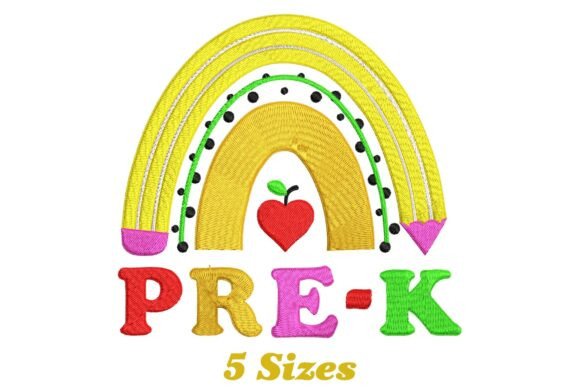
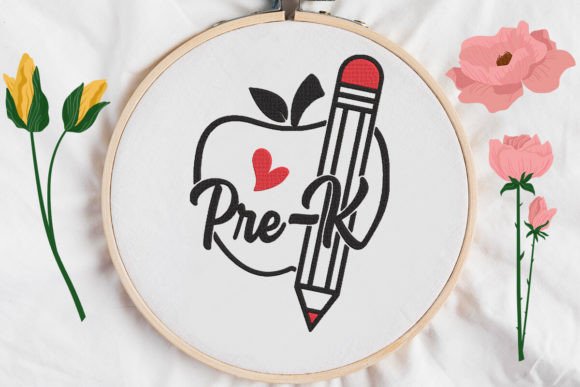
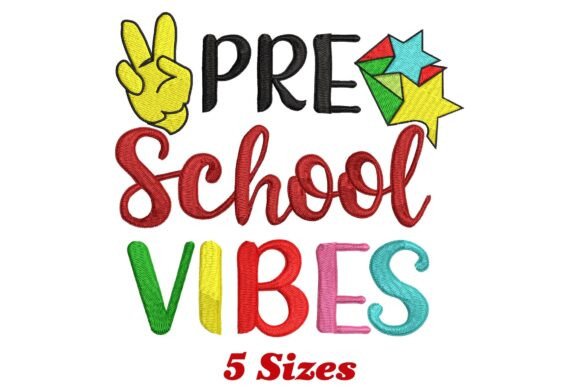
Pre School Vibes lands with soft confidence—not loud, not cutesy to the point of clutter. It feels like a well-curated classroom corner: rounded shapes, gentle curves, and balanced negative space. There’s no aggressive density or razor-thin satin stitch borders that vanish on stretchy knits. Instead, it leans into friendly proportions—moderate height, open letterforms (if text is included), and visual breathing room between elements. That matters more than you’d think when embroidering on curved surfaces like toddler caps or rolled tote bag hems.
Where It Shines: Real Projects, Real Customers
I tested Pre School Vibes on three actual items: a 100% cotton canvas tote for a local preschool fundraiser, a lightweight organic cotton baby onesie, and a linen-cotton blend tea towel for a small-batch kitchen goods shop. On all three, it delivered quiet professionalism—no puckering, no thread breakage, no lost detail.
- Tote bags: Perfect scale for center-chest or lower-front placement. The design’s moderate width avoids pulling at seams, and its clean layout reads instantly—even from across a playground.
- Baby embroidery: Gentle curves and low stitch density mean less stiffness against delicate skin. No sharp corners or dense fill areas that could irritate sensitive necklines.
- Tea towels & aprons: Holds up beautifully on medium-texture weaves. Unlike some Back To School designs that drown in heavy fill stitches, Pre School Vibes uses thoughtful stitch variety—light running stitch accents, airy satin outlines, and breathable fill areas that won’t stiffen fabric after repeated washes.
Where to Pause & Plan
This isn’t a one-size-fits-all file—and that’s a good thing. Its personality demands context. Here’s where attention pays off:
- Small hoop sizes: If your machine maxes out at 4x4”, check whether the full design fits comfortably with ⅛” margin. Tight cropping can sacrifice clarity in rounded edges or subtle details.
- Stretchy or thin fabrics: A lightweight stabilizer (like tear-away + light cut-away combo) is non-negotiable for t-shirts or onesies. Skip it, and those playful curves may distort.
- Dark or textured backgrounds: Test thread colors carefully. Light pastels pop on navy but can disappear on charcoal heather. Consider switching to matte poly or cotton threads for better contrast on deep tones.
- Caps and curved surfaces: The design’s even weight distribution helps—but always use a cap frame and test on scrap first. Avoid placing tight clusters of detail directly over seams or brims.
What It Adds to Your Finished Product
It’s rare for a machine embroidery design to quietly lift perceived value—but Pre School Vibes does. On a personalized gift, it reads as intentional, not generic. On an Etsy listing, it supports brand consistency without demanding a full logo system. Customers don’t say “nice stitching”—they say “this feels made just for us.” That trust builds repeat buyers, especially in niches like nursery decor or teacher appreciation gifts.
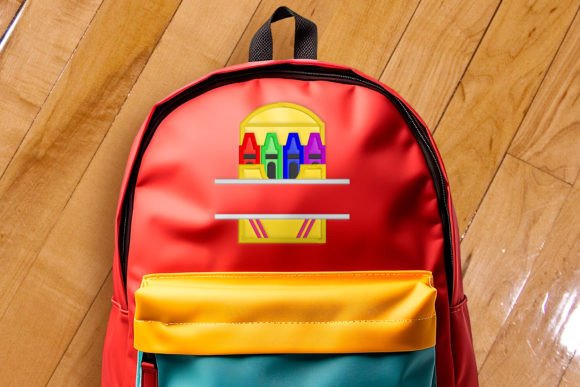
For craft business owners, it bridges versatility and voice: use it solo on a pillow cover, pair it with simple monograms on a sweatshirt, or layer it lightly behind a child’s name on a backpack patch. It doesn’t shout over your product—it invites attention to the quality of your work.
Practical Designer Notes Before You Stitch
Before adding Pre School Vibes to your next client project or digital embroidery file bundle, take these five minutes:
- Test on scrap fabric—same type, same color, same stabilizer combo you’ll use for the final piece.
- Check thread color contrast in natural light *and* under warm indoor lighting. What reads clearly on screen may blur on fabric.
- Review stitch density visually in your embroidery software. Look for any unusually dense clusters or micro-details smaller than 1.5mm—they’re prone to fraying or poor registration.
- Confirm hoop size compatibility and note whether the design includes multiple sizes or color-separation files—critical for commercial embroidery or multi-thread projects.
- Verify licensing for both personal and commercial use. If you’re selling finished embroidered products (like custom totes or baby blankets), ensure the license permits that. If you’re reselling the digital embroidery file itself, double-check redistribution rights.
Final Thought: Design With Purpose, Not Just Pattern
Pre School Vibes isn’t just another Back To School download. It’s a considered design asset—one that respects fabric behavior, customer expectations, and the quiet pride of making something truly usable. It works because it doesn’t try to do everything. It’s not oversized for impact, nor minimalist to the point of vagueness. It sits comfortably in that sweet spot where whimsy meets wearability.
Whether you’re prepping for back-to-school orders, building a cohesive line of nursery decor, or refreshing your Etsy embroidery shop with fresh design assets—Pre School Vibes earns its place in your library. Just remember: great embroidery starts before the needle drops. Know your fabric. Respect your hoop. And always stitch with intention.